

Is EDLP right for your brand?
Every Day Low Prices (EDLP) might be making a comeback.
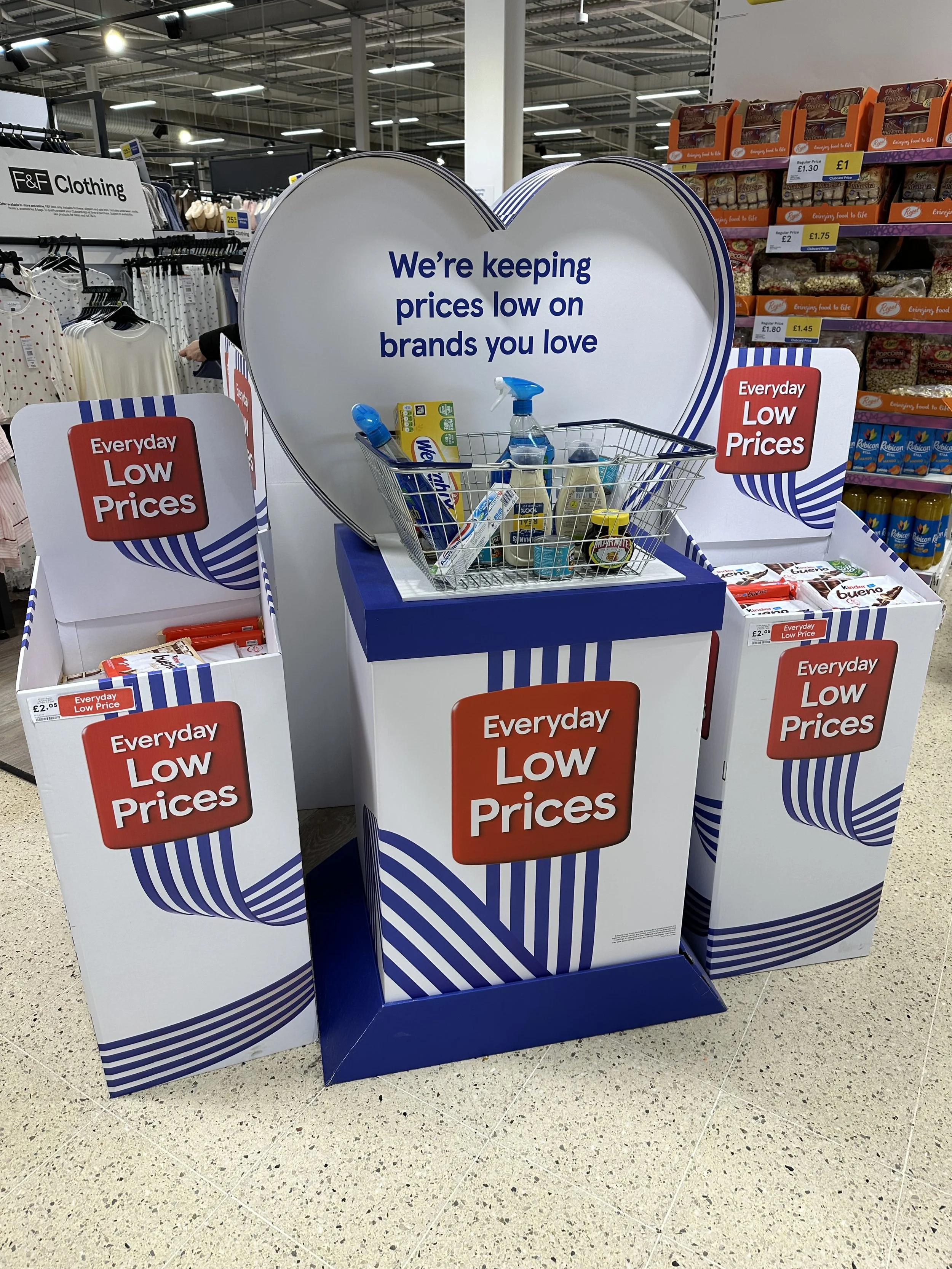
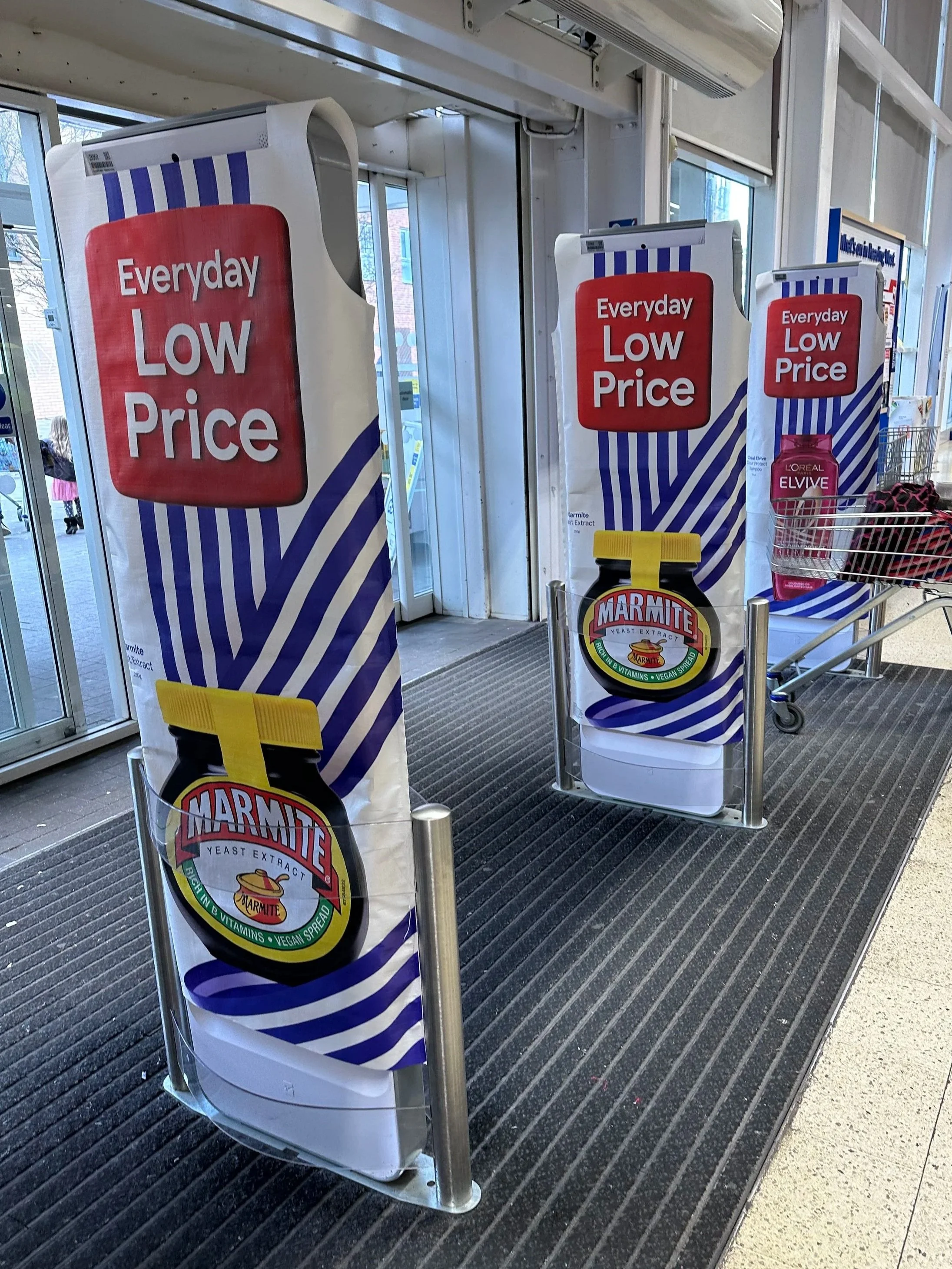
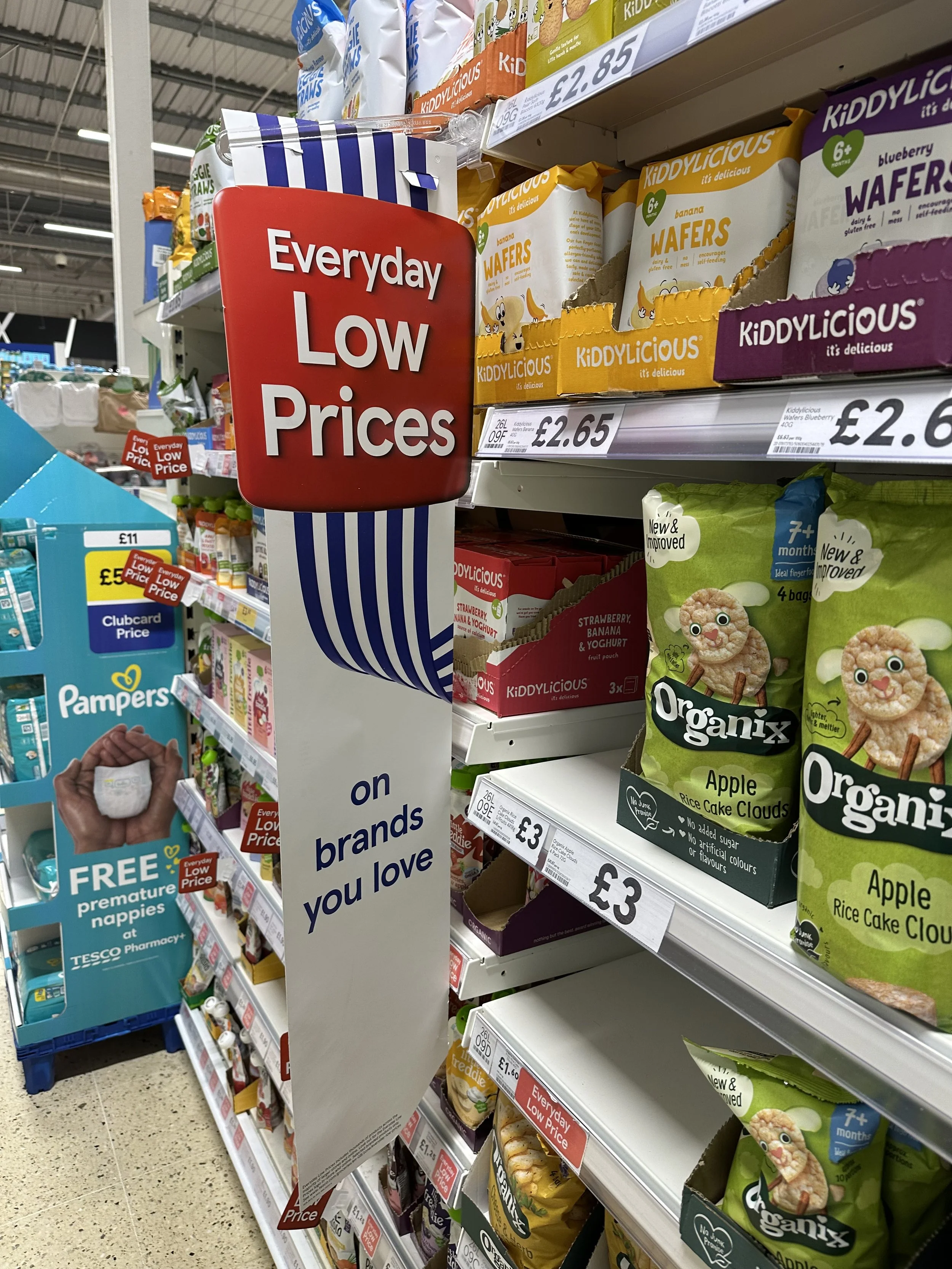
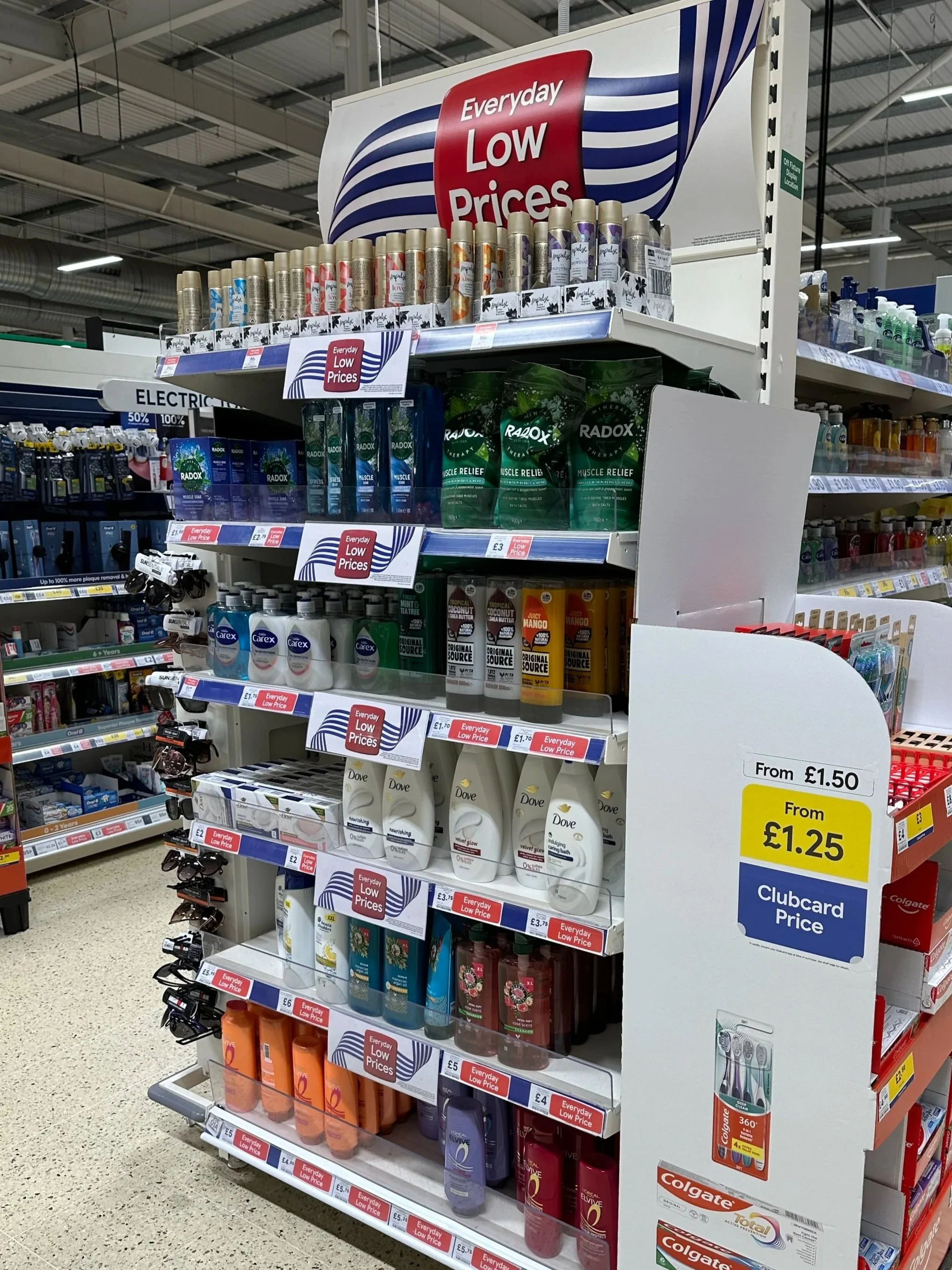
Tesco launched their Every Day Low Prices on brands you love campaign a couple of weeks ago, complete with a very 1990s retro look and feel.
It’s bold, confident and very visible in store.
Unsurprisingly, it’s got a lot of brands asking the same question.
Should we lean into EDLP, or stick with Clubcard Prices and promotions?
Before rushing to an answer, it helps to remember how shoppers actually judge value.
Promotions tap into loss aversion. We feel the pain of missing a deal far more strongly than the pleasure of saving the same amount of money.
That “I need to buy it now” feeling is powerful, and EDLP simply doesn’t trigger it in the same way.
Shoppers also flip between instinctive and rational decision-making depending on the mission, the category and the moment. Big savings cues work brilliantly when shoppers are on autopilot. EDLP tends to work better when shoppers slow down and compare.
So instead of asking “Is EDLP good or bad?”, I’d suggest asking something more practical.
Is EDLP right for your brand?
Here are the questions you should be asking before you decide whether to try an EDLP strategy:
Is your category essential or discretionary?
Discretionary categories rely more on emotional triggers, so removing promotions often hits volume harder.
How often do shoppers purchase products in your category?
Low-frequency categories depend on promotions to stay front of mind when shoppers do enter the market.
Does consumption increase the more people buy?
Highly expandable products benefit from high-low pricing because promotions drive faster repeat purchase.
How big is your promotional uplift today?
If promotions deliver a large volume spike, EDLP will struggle to fully replace that demand.
How price-sensitive is your base price?
EDLP works better where shoppers respond strongly to changes in everyday price, not just deals.
What proportion of shoppers only buy your brand on promotion?
A high number of deal-only shoppers is a warning sign. They are the hardest group to convert to EDLP.
How strong is your brand without a deal?
EDLP puts more pressure on brand strength, pack and proposition to do the heavy lifting.
Are you trying to drive trial with new shoppers?
New products usually need promotions to reduce risk and encourage first purchase.
If you’re ticking several of the risk boxes, EDLP isn’t automatically the wrong choice. But switching off promotions without a clear plan can quietly erode sales and visibility over time.
The takeaway
EDLP is not a one-size-fits-all solution. It can work brilliantly for some brands and badly for others, even in the same category. The right answer sits at the intersection of shopper behaviour, category dynamics and brand strength.
If this checklist has raised more questions than answers, you’re not alone.
This is exactly the kind of challenge I help teams work through in category training and strategy workshops, turning shopper insight into clear, confident decisions.
If EDLP is a live decision for your brand, get in touch and see what we can do for you and your business.
January 2026